During my design graduation I learned that in Portugal it used to be not worthy to cast steel moulds
in order to produce plastic objects, since there was no market for all the objects you had to sell,
to pay for the mould. Perspectives of exportation were weak as well.
Suddenly in 1998, the 3 portuguese mobile phone companies start competing with each other through
expensive, designer-like, plastic containers for their cell phones:
TMN – Mimo, Telecel – Vitamina and the Optimus – Boomrang.
People were throwing away tens of thousands of these objects every day.
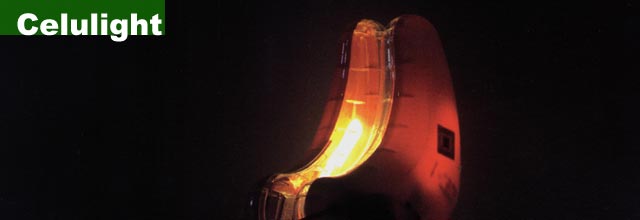
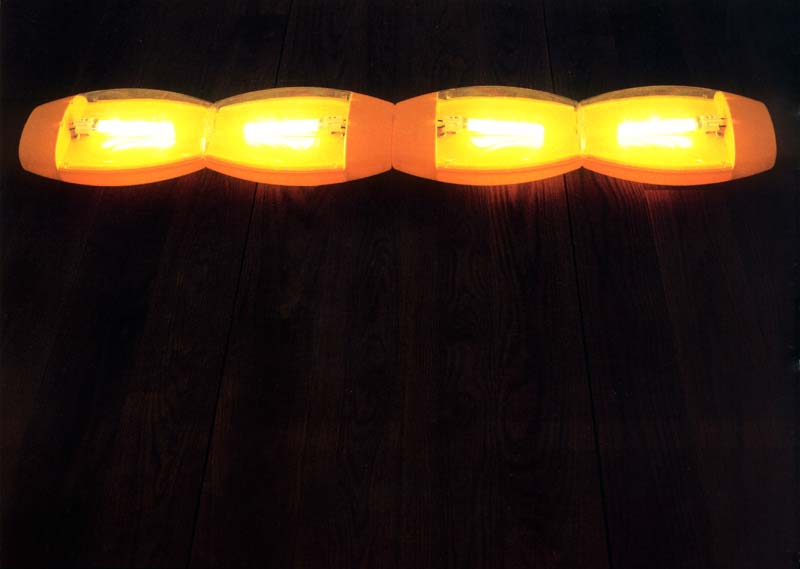
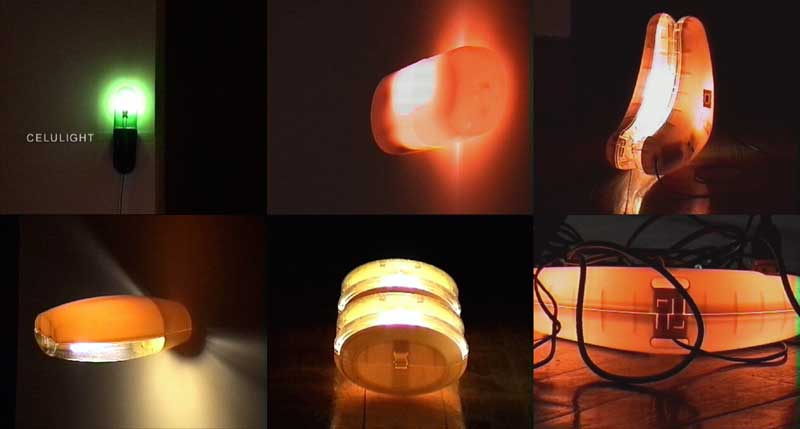
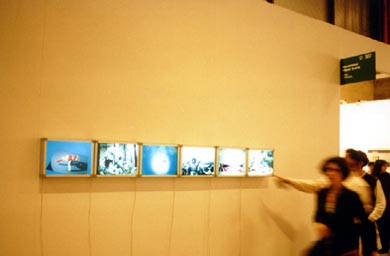
For Design Inserts, at the ExperimentaDesign99 I recycled those colourful plastic containers as lamps,
making two different models for each mobile phone company.
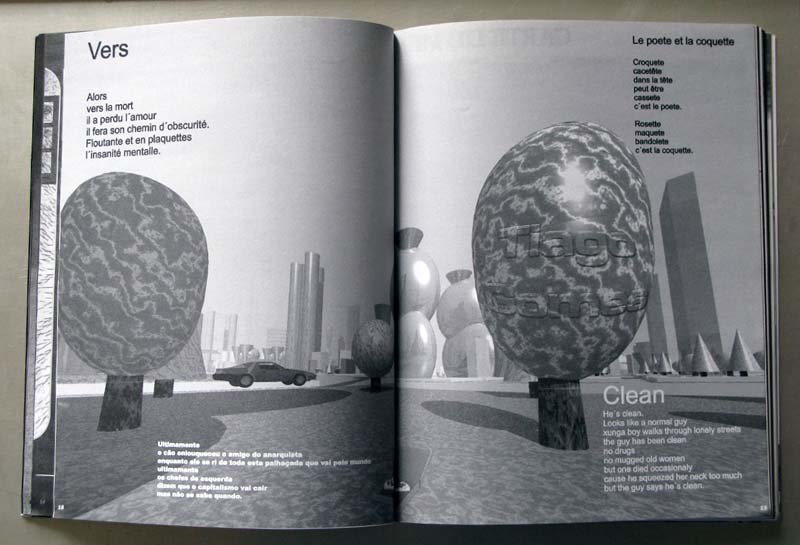
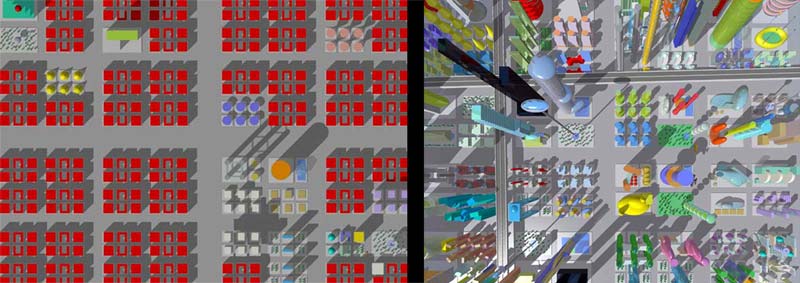
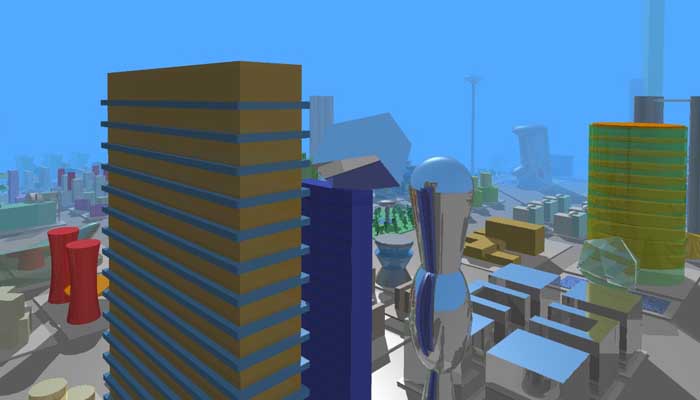
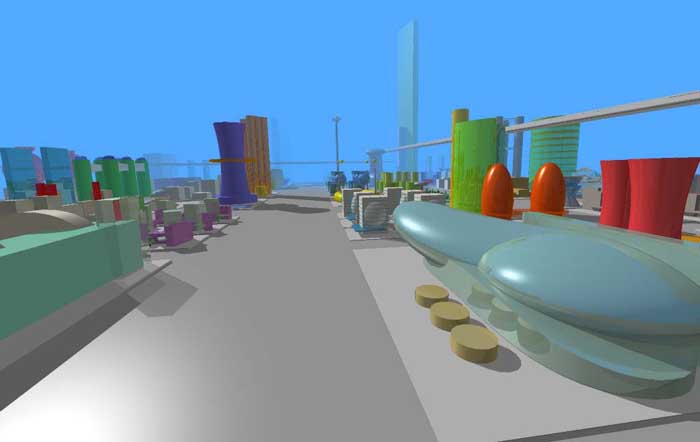
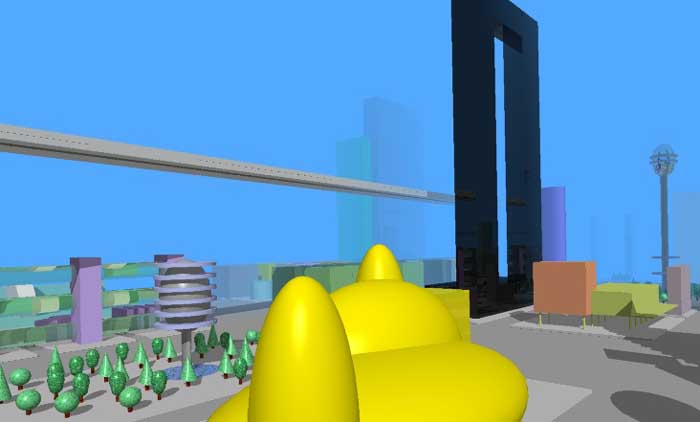
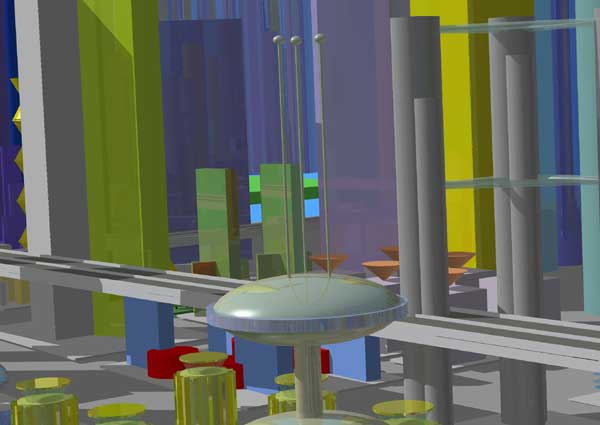
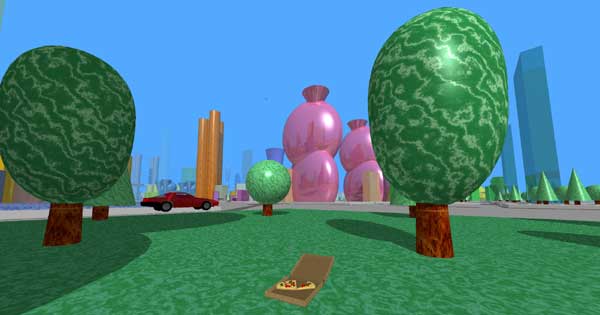
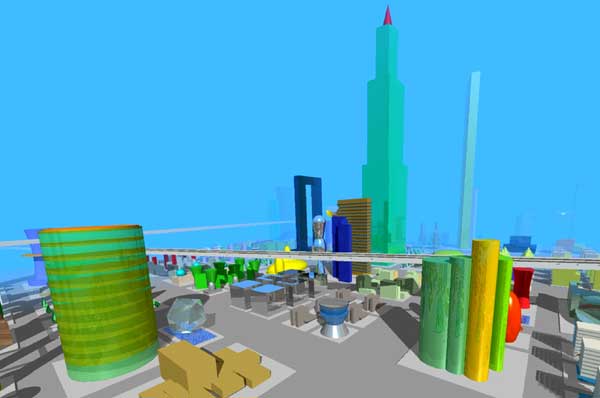
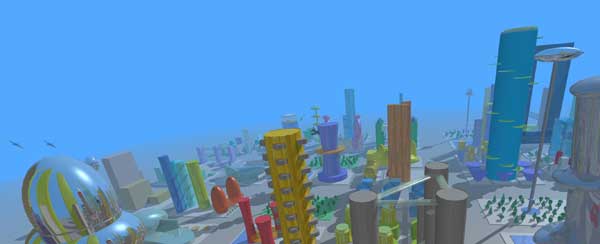
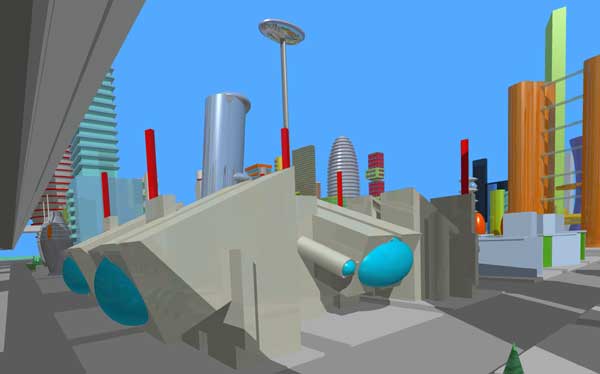
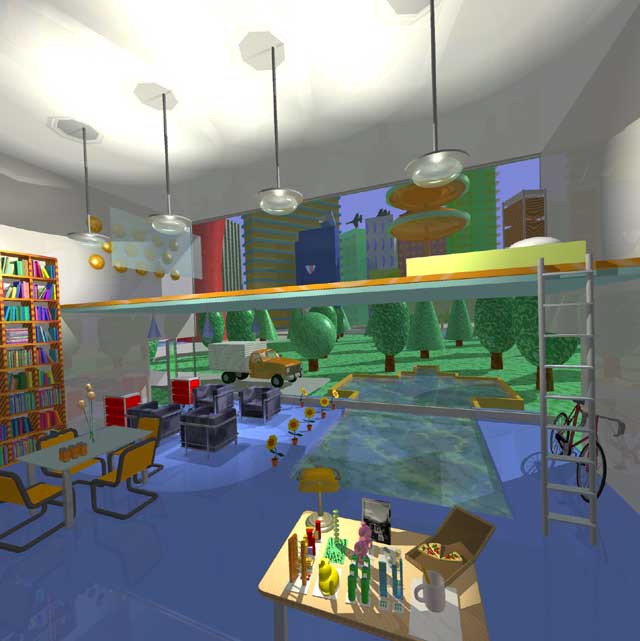
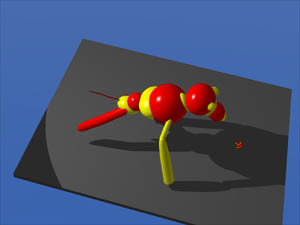
X city is a 3d virtual city that I was building and animating during a 3-year period.
It was meant to grow in size and complexity as I would get faster and faster computers.
I would transfer the city to a faster computer every time I could, so in the end it would be an
almost “real” city.
Unfortunately I started wrong by choosing the wrong software (Corel Dream 3d): animation had to
be done frame by frame manually, with no keyframes. Then files were put on a render queue.
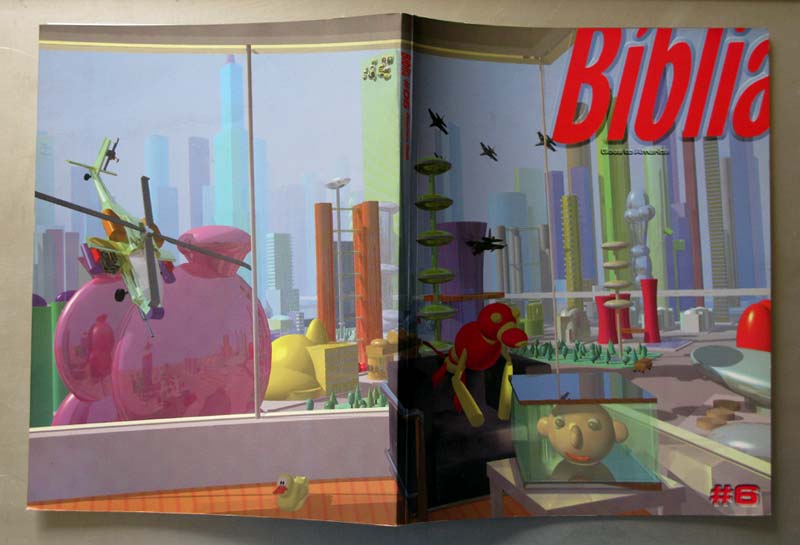
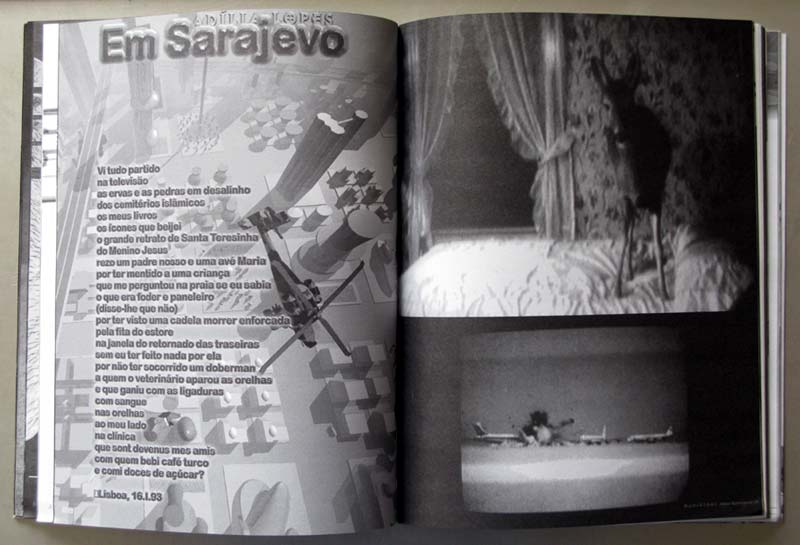
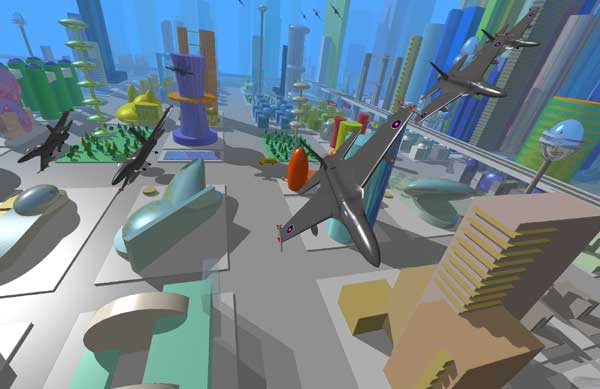
X-city was based in the city of New York. In December 1998 I animated 3d planes crashing into
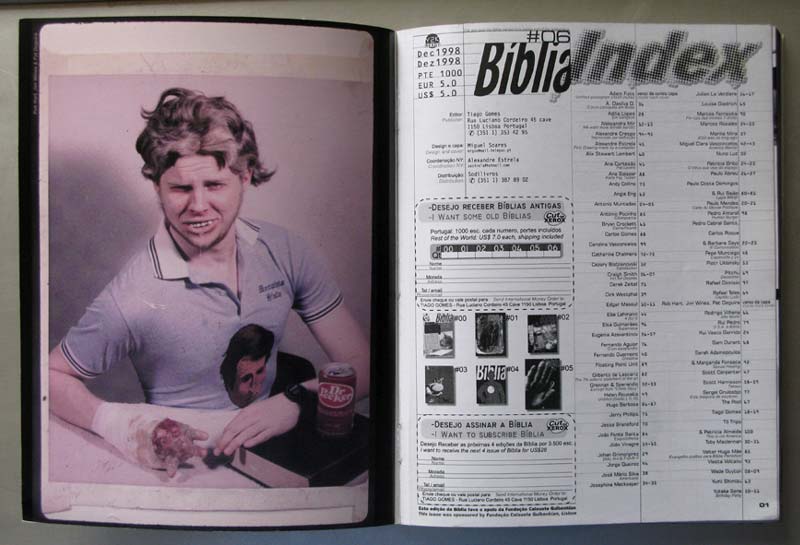
buildings. One can be seen on the cover of Biblia magazine #6 – Biblia goes to America.The other can
be seen as animation in this page and was part of my videofolio “miguel soares – works 1991-2001″.
During this period I always had the same computer (a pentium 166mmx).
I started at a rendering speed of 25 frames per day (1 second).
I abandoned the project when frames were taking 13 hours to render each.
I gave the computer to a friend.
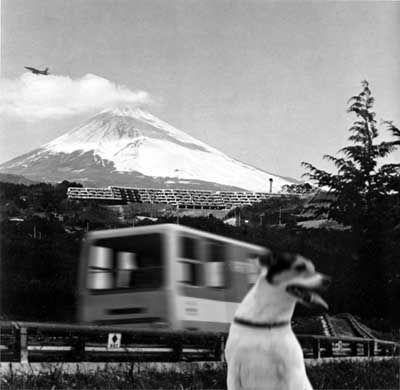
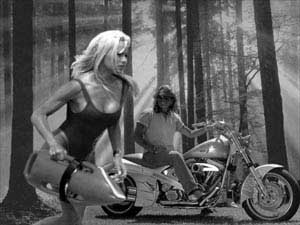
For the Flashback exhibition, comemorating the 25th aniversary of the art school where I studied
photography in, I composed this image from 5 diferent layers:
Layer 1- Dog
Layer 2- Monorail
Layer 3- Hotel
Layer 4- Mount Fuji
Layer 5- a 3D plane
Few people can survive as contemporary artists in Portugal. Lots of artists work “like dogs” (we use
this expression) without any good results. Some of them have to escape (”fugir” in portuguese), emigrating.
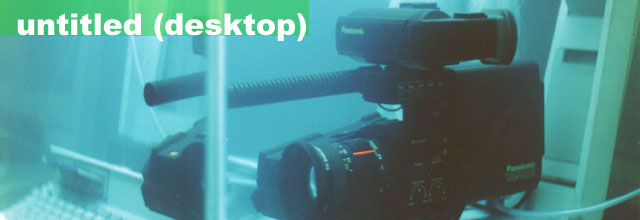
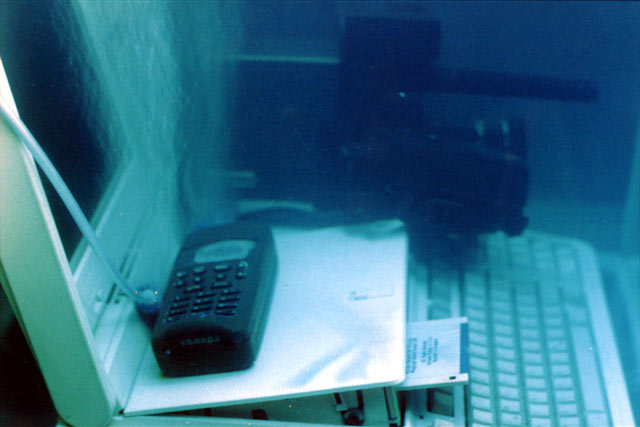
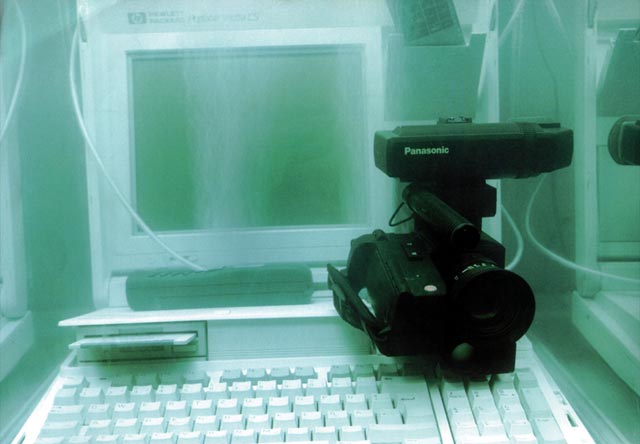
untitled (desktop), 1998, 65×50x50cm
aquarium, air pump, water, laptop computer, video camera, cell phone, remote control.
made for O Império Contra Ataca, Galeria ZDB, Lisbon and La Capela, Barcelona
Desktop was made for the O Império comtra ataca exhibition, Galeria ZDB, Lisbon
(curated by Pedro Cabral Santo and Carlos Roque).
The exhibition was a reaction / comment on the Expo’98 World Fair, opening in Lisbon the next month, under the theme The Oceans: A Patrimony for the Future. The biggest Oceanarium in Europe was being built. At the same, time a big exhibition was taking place in one of our 4 main art institutions: “The Eighties”, curated by Maria de Corral, at Culturgest, where one could see the famous vacuum cleaners inside plexyglas boxes by Jeff Koons.
Desktop is an aquarium with electronic equipment from the early 90’s. Inside the aquarium are:
An Hewlett Packard portable computer
A Panasonic video camera
A Nokia mobile phone
A remote control
and a 3.1/2 floppy disk.
This work shows concerns on the technology race and what to do with outdated equipment.
As if we should put the junk and polution inside a big oceanarium, leting the fish loose and healthy in the ocean, and not the inverse.
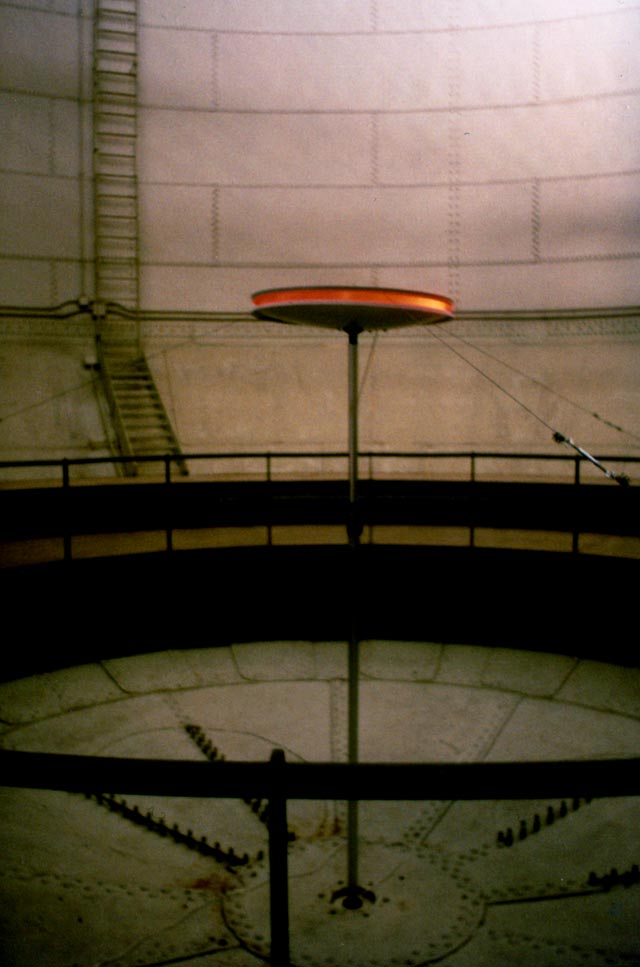
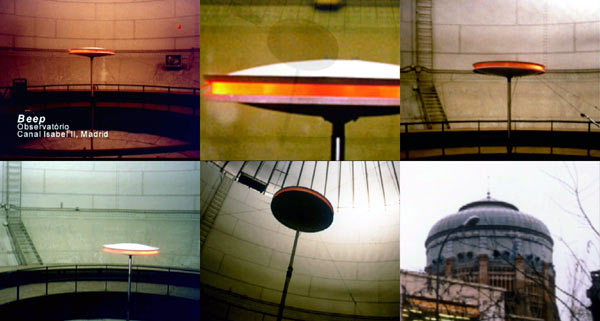
1998
90×90x26cm
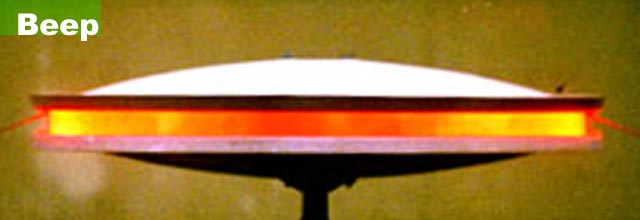
satelite dishes, motion detector, walkman, tape, speakers, lamps, 4 channel sequencer, Manfrotto Autopole, steel cable.
made for Observatorio, Canal Isabel II, Madrid. February 1998
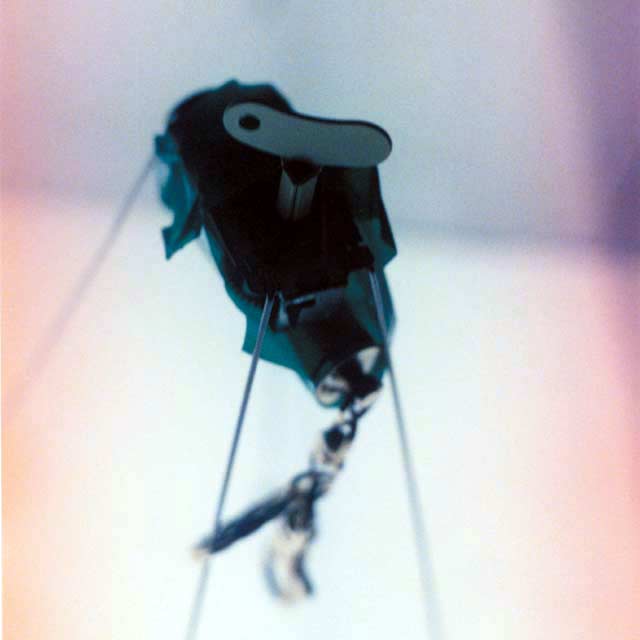
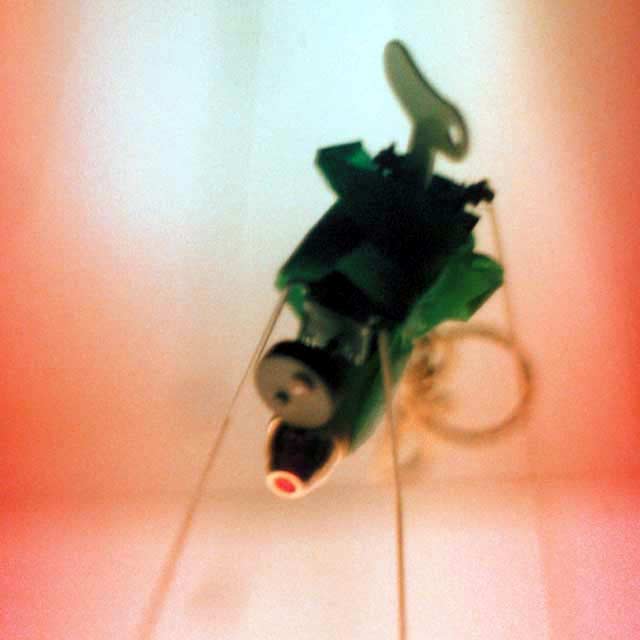
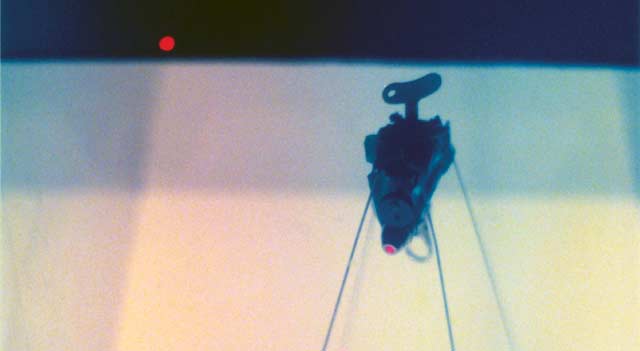
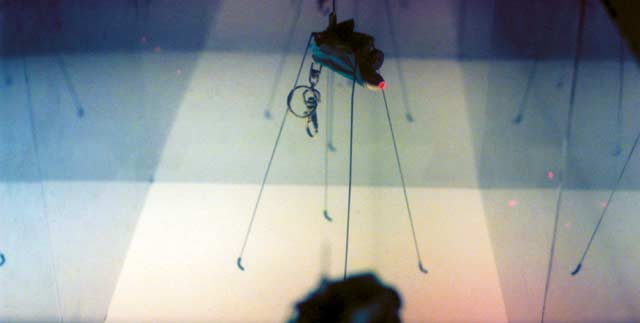
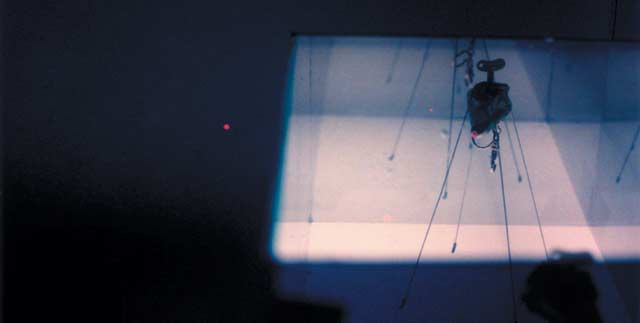
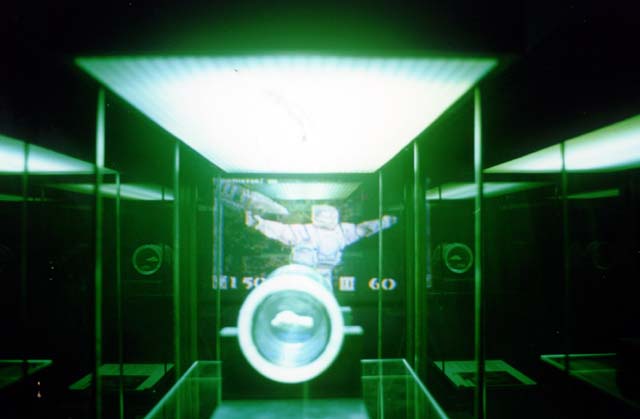
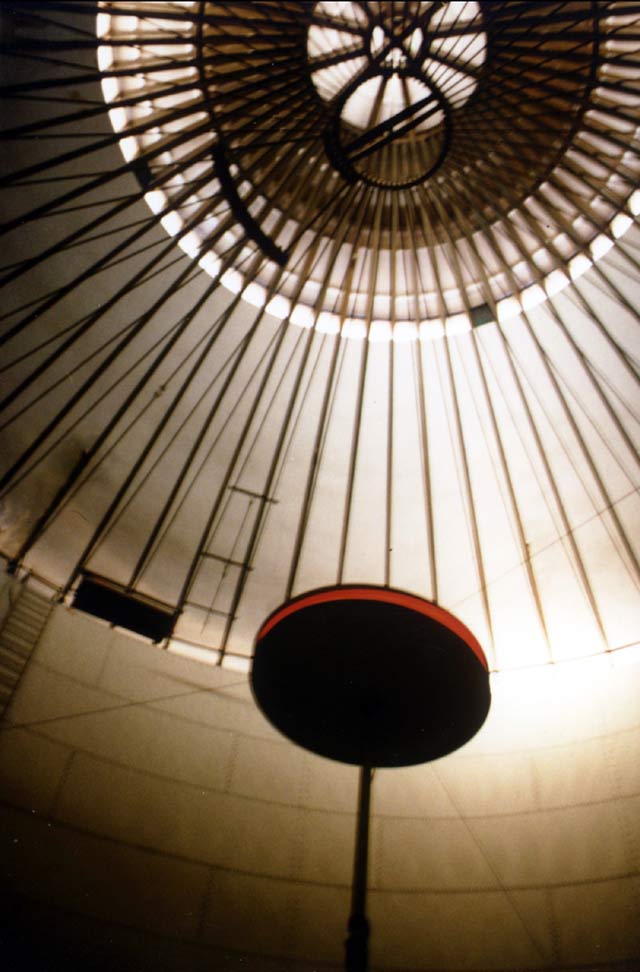
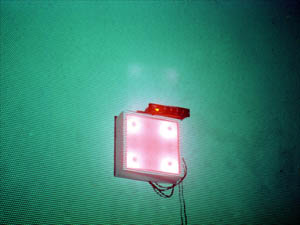
Beep is a flying saucer made out of two satelite dishes.
With its red lights it scans the area around, a 15 meter diameter ball of steel, a former water reservoir in Madrid.
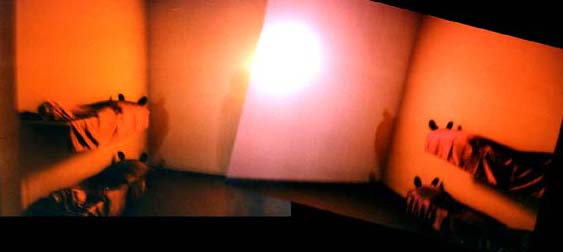
The sound of static (a bit like vinil scrath), is interrupted every minute by an echoeing beep.
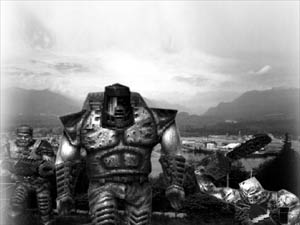
For two years I was a member and one of the leaders of a Quake TeamFortress internet Clan.
This work was presented in three forms:
-Barney Online (1997) video projection, stereo sound, 180′ presented at Observatório, Madrid, February 1998
-Barney Online – Slipgate Remix (1998) Video Projection, stereo sound, 6′45” presented at Biovoid, Sala do Veado, Museu Nacional de História Natural, Lisbon. August 1998
-As a work for the Antropology class: Quake TeamFortress: Aproximação a uma comunidade virtual, June 1998, 74 pgs. and VHS tapes, with Professor Dr. J.A. Fernandes Dias.
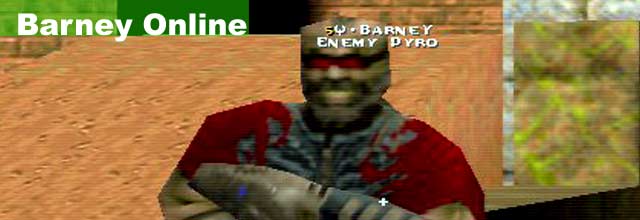
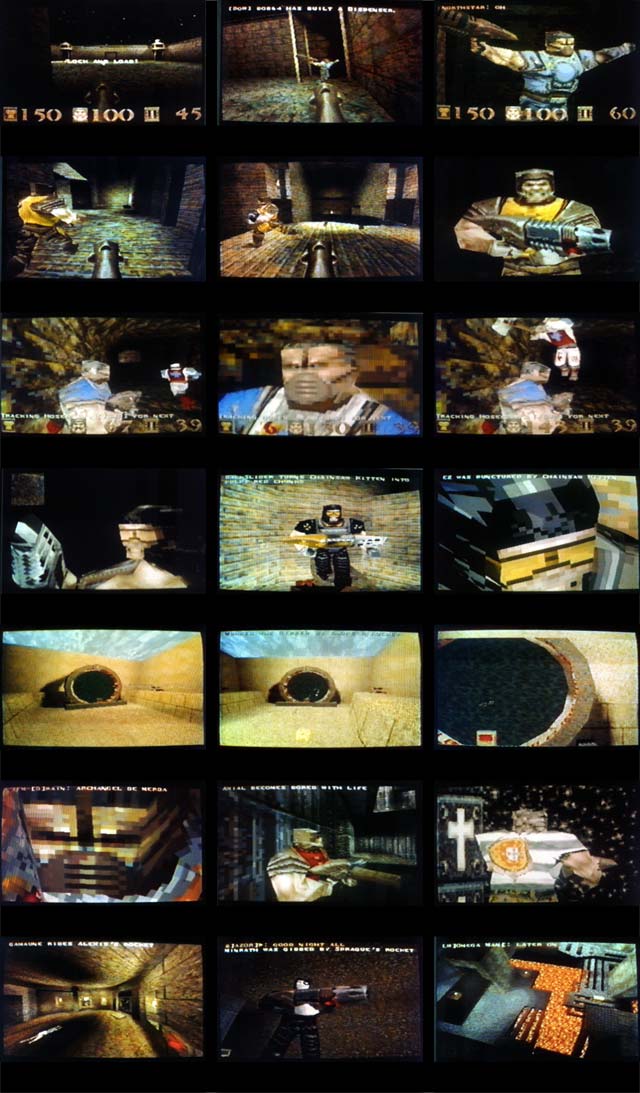
Barney Online is the record of a series of virtual performances of my character, 5Q.Barney, in the world of the internet game Quake TeamFortress.
After one year as Barney, I became first a member (by invitation), then 1st. advisor, and later, one of the 5 leaders of the largest and oldest active Quake clan in Portugal at the time: the 5Q Clan, that reached 32 members (5Q stands for 5 Quinas, as symbol of a good defense, present as well in the portuguese flag).
The global Quake community meets everyday in thousands of different locations (servers) where they chat, interact and kill each other.
Most of this comunity joins clans of 10 to 40 members. Admission into a clan is very difficult -requiring skill, morality and an understanding of each clan’s hierarchy and rules. Lastly, approval from the clan leader, founders or council is necessary. Matches between clans often include thorough preparation of attack and defense tactics. Skins (the character’s physical appearance) and maps are built by the community and sent to the servers, becoming available to everyone.
Quake TeamFortress is extremely violent, yet establishes friendships amongst its participants.